BHB vs Glucose: How Ketones and Carbs Flip Opposite Epigenetic Switches
A new study reveals that ketones (BHB) and glucose trigger opposite epigenetic programs — one promotes fat burning, the other fat storage. Here's what it means for your metabolism.
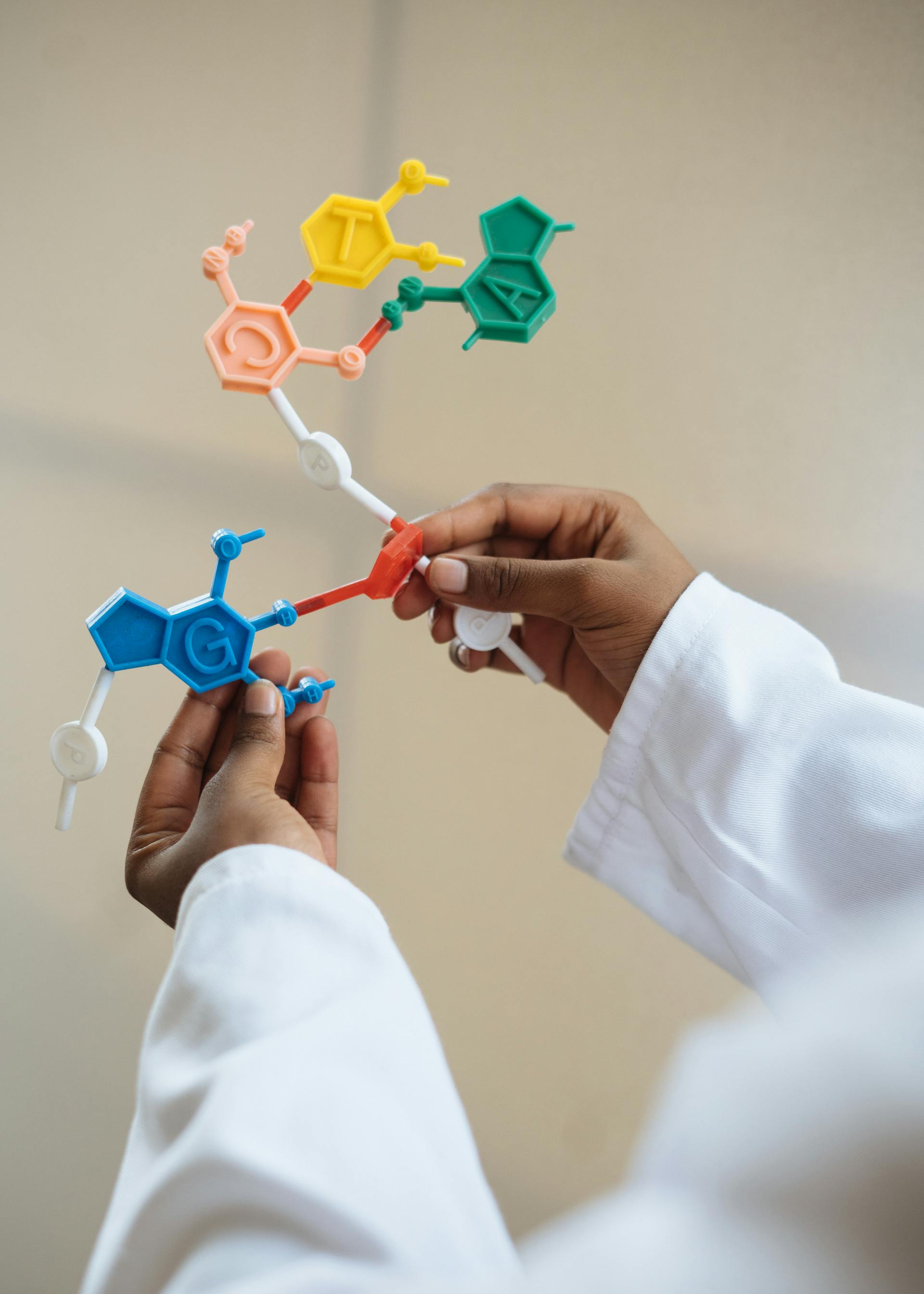
Your body doesn’t just switch between burning fat and storing fat based on what you eat. According to a new peer-reviewed study, it rewrites the instructions at the genetic level — and ketones and glucose trigger opposite programs.
This is one of the most mechanistically compelling studies to come out in support of ketogenic diets. It explains why keto shifts your metabolism toward fat burning, not just that it does.
What the Study Found
Researchers investigated how the body coordinates the balance between energy storage (building fat) and energy mobilisation (burning fat). What they discovered is that two key molecules — glucose and BHB (beta-hydroxybutyrate, the primary ketone body) — each drive distinct patterns of histone acetylation, a type of epigenetic modification that controls which genes get turned on or off.
When Glucose Is High (Overfed State)
Increased glucose drives what the researchers call “active” histone acetylation through an enzyme called ACSS2. This activates genes involved in lipogenesis — the creation and storage of fat.
In plain terms: when glucose is abundant, your body receives an epigenetic signal to store energy as fat.
When BHB Is High (Fasted/Keto State)
Elevated BHB drives “passive” histone acetylation — a different pattern that activates genes involved in fatty acid oxidation. This is the metabolic program for breaking down and burning stored fat.
In plain terms: when ketones are elevated, your body receives an epigenetic signal to mobilise and burn fat.
Why This Matters
This isn’t just about calories in and calories out. The study shows that the fuel source itself changes which genes are active — literally reprogramming your cells’ priorities.
This helps explain several observations that keto dieters report:
- Why fat loss feels “easier” in ketosis — your cells are epigenetically programmed to favour fat oxidation
- Why high-carb diets promote fat gain — glucose signals activate fat storage genes via ACSS2
- Why metabolic flexibility matters — the ability to shift between these two epigenetic programs is how a healthy metabolism adapts to feeding and fasting
The BRD4 Connection
The study also identified a protein called BRD4 that reads these acetylation marks and initiates the corresponding genetic program. Interestingly, blocking BRD4 had context-dependent effects:
- In overfed mice on a high-fat diet, BRD4 inhibition reduced fatty liver disease (NAFLD)
- In fasted mice or those on a ketogenic diet, BRD4 inhibition worsened liver fat accumulation
This confirms that the same epigenetic machinery serves opposite metabolic purposes depending on whether glucose or ketones are the dominant fuel. It’s not a single switch — it’s a context-sensitive system.
The NAFLD Connection
Perhaps the most clinically relevant finding is the link to non-alcoholic fatty liver disease (NAFLD), which affects roughly 25% of adults globally. The study suggests that the ACSS2 pathway — activated by glucose to promote fat storage — could be a therapeutic target for treating NAFLD.
This aligns with what clinical trials have already shown: ketogenic diets dramatically reduce liver fat, often outperforming other dietary approaches. Now we have a mechanistic explanation for why — keto shifts the epigenetic program away from ACSS2-driven lipogenesis.
What This Means for You
You don’t need to understand histone acetylation to benefit from this research. The practical takeaways are straightforward:
-
Carbohydrates signal your genes to store fat. This isn’t a moral judgement — it’s an evolved response to abundant glucose. But in a world of constant carb availability, that storage signal never turns off.
-
Ketones signal your genes to burn fat. Whether through a ketogenic diet, fasting, or both, elevating BHB activates the fat-burning epigenetic program.
-
Metabolic flexibility is the goal. A healthy metabolism should be able to shift between these programs. The problem with chronic high-carb eating is that the storage program stays permanently activated.
-
This is deeper than hormones. We’ve long known that insulin promotes fat storage and its absence promotes fat burning. This study shows the regulation goes even deeper — to the epigenetic level, changing which genes are expressed.
The Bottom Line
This study provides some of the strongest mechanistic evidence yet for why ketogenic diets work the way they do. It’s not just about reducing insulin or cutting calories — ketones themselves actively reprogram your cells to favour fat burning at the epigenetic level.
For anyone who’s experienced the metabolic shift that comes with entering ketosis, this research puts hard science behind what you already felt: your body genuinely operates differently when running on ketones versus glucose.
Key Takeaways
- BHB (ketones) and glucose trigger opposite epigenetic programs in your cells
- Glucose activates fat storage genes via ACSS2-dependent “active” acetylation
- BHB activates fat burning genes via “passive” acetylation
- The same epigenetic reader protein (BRD4) serves both programs depending on context
- The ACSS2-glucose pathway is a potential therapeutic target for fatty liver disease
- This provides mechanistic evidence for why keto diets reduce liver fat so effectively
Sources
- Nutrient-driven histone acetylation underlies the adaptive balance of energy storage and mobilization — Peer-reviewed (via r/ketoscience) (2026-03-09)