Full-Fat Cheese Linked to Lower Dementia Risk in 25-Year Study
A major Swedish study found that eating 50g of full-fat cheese daily was associated with 13% lower dementia risk. Here's what the research actually shows.
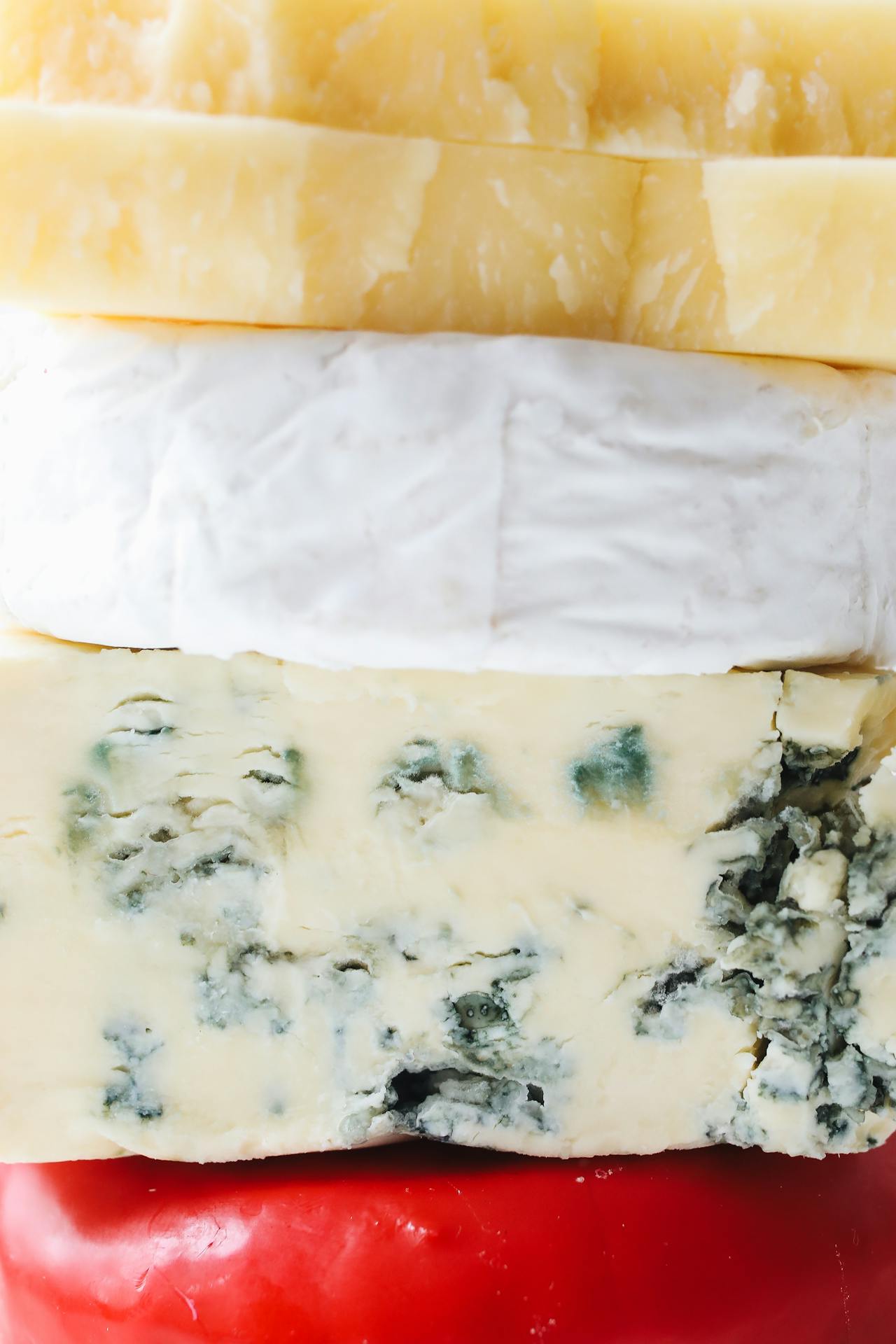
A 25-year Swedish study of 27,670 people found that eating 50g of full-fat cheese daily (about two slices) was linked to 13% lower dementia risk. The effect was even stronger for vascular dementia (29% lower). Low-fat cheese showed no benefit. This adds to growing evidence that saturated fat may not be the villain we thought.
For decades, full-fat dairy has been on the naughty list. Cheese in particular has been portrayed as a heart attack waiting to happen — something to eat sparingly, if at all.
So when a major study published in Neurology in December 2025 found that people who ate more full-fat cheese had lower rates of dementia, it raised some eyebrows.
Let’s look at what the research actually found.
The Study at a Glance
- Participants: 27,670 Swedish adults
- Average starting age: 58 years
- Follow-up period: Up to 25 years
- Dementia cases: 3,208 participants developed dementia
- Publisher: Neurology (American Academy of Neurology)
Researchers at Lund University in Sweden tracked dietary habits and health outcomes over more than two decades. They collected detailed food intake data — participants recorded everything they ate for a week and answered questions about their typical eating patterns.
The team then compared dementia rates across different levels of dairy consumption, adjusting for factors like physical activity, overall diet quality, smoking, and alcohol use.
What They Found
High-Fat Cheese: 13% Lower Dementia Risk
People who ate 50 grams or more of high-fat cheese daily (about two slices or half a cup shredded) had a 13% lower risk of developing dementia compared to those who ate less than 15 grams.
By the end of the study:
- 10% of high-cheese consumers had developed dementia
- 13% of low-cheese consumers had developed dementia
That 3 percentage point difference may sound small, but across a population, it’s significant.
Cheeses with more than 20% fat content, including:
- Cheddar
- Brie
- Gouda
- Camembert
- Gruyère
- Most “regular” (non-reduced-fat) cheeses
50 grams is roughly two standard slices or about 1.8 ounces.
Vascular Dementia: 29% Lower Risk
The association was even stronger for vascular dementia specifically — a form of cognitive decline caused by impaired blood flow to the brain.
High-fat cheese consumers had a 29% lower risk of vascular dementia. This is notable because vascular dementia is closely linked to cardiovascular health — the same area where saturated fat has traditionally been vilified.
High-Fat Cream: 16% Lower Risk
The researchers also looked at high-fat cream (30-40% fat content). People who consumed 20 grams or more daily (about 1.4 tablespoons) had a 16% lower risk of dementia compared to those who didn’t consume any.
What Didn’t Work: Low-Fat Dairy
Low-fat cheese, low-fat cream, milk, butter, and fermented milk products (yogurt, kefir) showed no association with dementia risk — either positive or negative.
The protective effect appears specific to full-fat cheese and cream.
Why Would Full-Fat Cheese Protect the Brain?
The researchers didn’t establish causation — they found an association. But there are plausible mechanisms:
Nutrient density — Full-fat dairy contains fat-soluble vitamins (A, D, E, K2), which are less available or absent in low-fat versions. Vitamin K2 in particular has been linked to cardiovascular and brain health.
The dairy fat matrix — Fat in cheese may be absorbed and metabolized differently than fat from other sources. The protein and calcium in cheese may buffer some effects of saturated fat on cholesterol.
Fermentation effects — Cheese is a fermented food. The aging process creates compounds that may have independent health effects.
What’s being replaced — People eating more full-fat cheese might be eating less of something else — refined carbohydrates, for instance, which have their own links to metabolic dysfunction and dementia risk.
"While eating more high-fat cheese and cream was linked to a reduced risk of dementia, other dairy products and low-fat alternatives did not show the same effect. Not all dairy is equal when it comes to brain health."
— Emily Sonestedt, PhD, Lund UniversityThe APOE e4 Gene Factor
One interesting wrinkle: the researchers found that the protective association for Alzheimer’s disease specifically was only seen in people who don’t carry the APOE e4 gene variant — a known genetic risk factor for Alzheimer’s.
This suggests genetics may influence how individuals respond to dietary fat, which aligns with emerging understanding of personalized nutrition.
What This Doesn’t Mean
Before you start eating cheese by the block, some caveats:
✅ It shows:
- An association between full-fat cheese intake and lower dementia incidence
- This association persisted after adjusting for multiple lifestyle factors
- The effect was specific to high-fat dairy, not all dairy
❌ It doesn’t show:
- That cheese causes protection against dementia
- That you should eat unlimited cheese
- That low-fat dairy is harmful
- That these results will replicate in other populations
The study was observational — it can show correlation, not causation. And all participants were Swedish, where cheese is typically eaten uncooked. In other countries where cheese is often melted or eaten with processed meats, the effects might differ.
The Bigger Picture: Saturated Fat Rehabilitation?
This study fits into a growing body of research questioning the blanket condemnation of saturated fat.
Swedish dietary guidelines were updated in 2025 to say that dairy products — including fermented varieties — can be eaten daily. Previous research from the same team found links between cheese and fermented dairy and better cardiovascular outcomes.
The simple “saturated fat = bad” narrative is giving way to a more nuanced understanding:
- Food matrix matters — The same nutrient behaves differently in different foods
- Context matters — What you eat with or instead of saturated fat affects outcomes
- Individual variation matters — Genetics, activity level, and metabolic health influence how we respond to fat
Practical Takeaways
- Don’t fear full-fat cheese — If you enjoy it, there’s no evidence you need to avoid it for brain health
- Quality matters — Choose real cheese over processed cheese products
- Moderation still applies — 50g daily (two slices) was the threshold in this study, not unlimited amounts
- Consider the full picture — Your overall dietary pattern matters more than any single food
- Low-fat isn’t automatically better — The study found no benefit from low-fat alternatives
If you’re following a keto or low-carb approach, this research is reassuring. Full-fat cheese is already a staple for many on these diets, and this study suggests that habit isn’t working against brain health — it might even be helping.
The Bottom Line
A rigorous 25-year study found that people who ate more full-fat cheese and cream had lower rates of dementia. The effect was specific to high-fat dairy and didn’t extend to low-fat alternatives.
This doesn’t mean cheese is a superfood or that you should start eating it if you don’t already. But it does add to growing evidence that the decades-long war on dietary fat — particularly saturated fat from whole food sources — may have been misguided.
Sometimes the delicious choice turns out to be the healthy one too.
This article summarizes research findings and is not medical advice. Discuss dietary changes with your healthcare provider, especially if you have existing health conditions.
Sources
- High- and Low-Fat Dairy Consumption and Long-Term Risk of Dementia — Neurology (American Academy of Neurology) (2025-12-17)
- Full-fat cheese linked to a lower risk of dementia — Lund University (2025-12-17)