How the Fats You Eat Shape Your Immune System
A major 2026 study published in Nature shows dietary fats directly change the composition of your T cells — making them stronger or weaker at fighting disease.
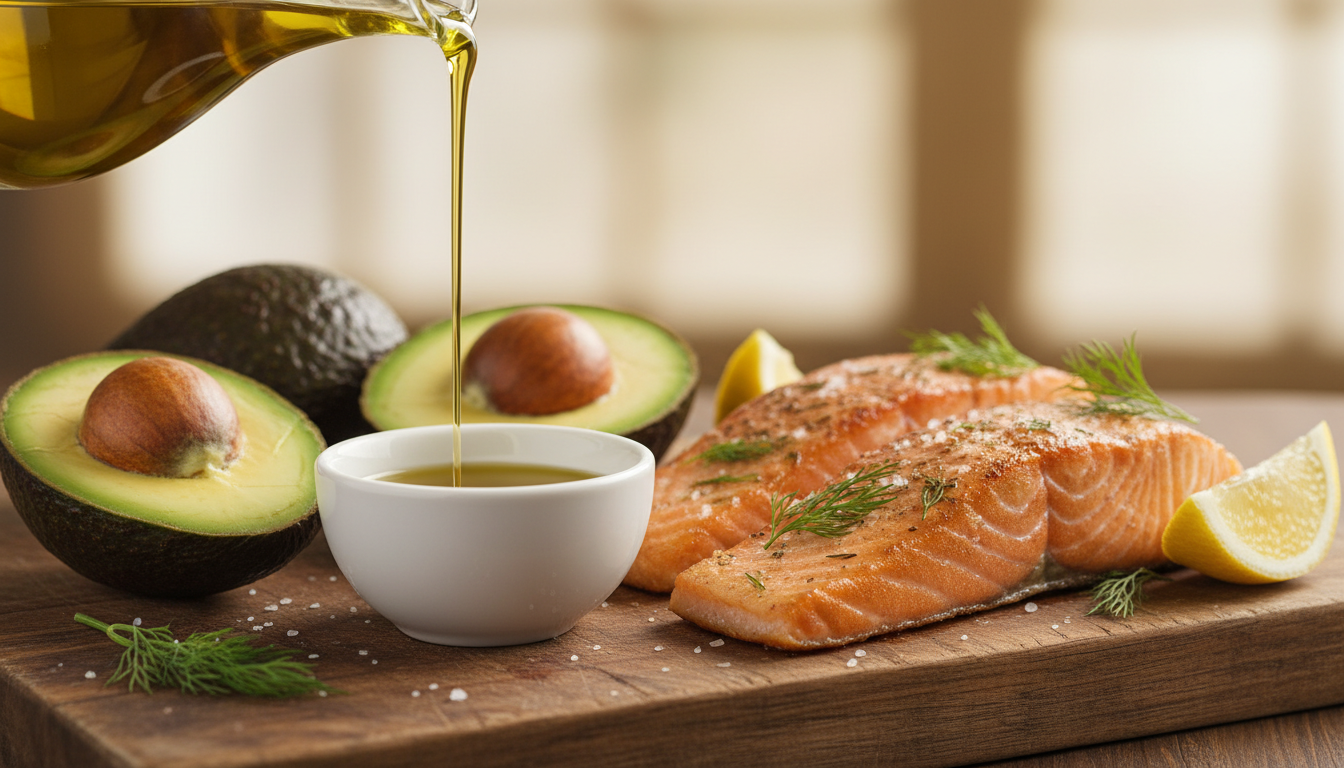
A new study published in Nature found that the types of fat you eat physically change the fat composition inside your immune cells. A lower ratio of polyunsaturated fats (PUFAs) to monounsaturated fats (MUFAs) makes T cells more resilient and better at fighting infections and cancer. This could have major implications for vaccines and cancer therapy.
We’ve long known that diet affects health. But a groundbreaking 2026 study from the University of Queensland, published in Nature, reveals something surprisingly specific: the fats you eat directly reshape the fat molecules inside your T cells — and that determines how well those cells protect you.
What the researchers found
The international team, led by Professor Di Yu at UQ’s Frazer Institute, discovered that dietary fat composition physically changes the lipid makeup inside T cells. These are the immune cells responsible for managing your body’s response to infections and cancer.
The key finding: a diet with a lower ratio of polyunsaturated fatty acids (PUFAs) to monounsaturated fatty acids (MUFAs) made T cells significantly more resilient.
Here’s why that matters. T cells are vulnerable to a specific type of cell death that happens when oxidised fats accumulate and destroy the cell’s outer membrane — a process called ferroptosis. When T cells have more MUFAs relative to PUFAs in their membranes, they resist this oxidation-induced death far better.
Stronger T cells, better immunity
The downstream effects are significant:
- Better antibody production. Protected T cells (specifically follicular helper T cells) became much better at helping the body produce antibodies — suggesting dietary fat optimisation could enhance vaccine effectiveness.
- Stronger anti-tumour response. More resilient T cells multiplied faster and attacked tumours more effectively in experimental models.
- Improved cancer treatment outcomes. Dietary fat modifications improved the success of cancer immunotherapies, helping eliminate tumours and prolonging survival.
What this means for your diet
If you’re eating a keto or carnivore diet rich in animal fats, butter, olive oil, and avocado, you’re already eating a diet naturally high in MUFAs and saturated fats relative to PUFAs.
Foods high in MUFAs (the protective fats):
- Olive oil
- Avocados
- Beef tallow and lard
- Macadamia nuts
- Egg yolks
Foods high in PUFAs (the ones to moderate):
- Seed oils (soybean, corn, sunflower, canola)
- Most nuts and seeds
- Fatty fish (though omega-3 PUFAs have distinct benefits)
This doesn’t mean PUFAs are “bad” — fatty fish and omega-3s have well-documented benefits. The research points to the ratio being what matters. And the ideal ratio isn’t yet known — Professor Yu noted further research is needed to determine exact thresholds.
The bigger picture
This study adds mechanistic weight to something many in the low-carb and ancestral health communities have suspected: dietary fat quality matters beyond just calories and macros.
The practical implication is straightforward. If you want to support your immune system:
- Cook with stable, MUFA-rich fats — olive oil, butter, ghee, tallow
- Don’t fear saturated fat — it’s neutral in this context
- Moderate seed oil intake — especially from ultra-processed foods
- Keep eating fatty fish — omega-3 PUFAs have their own immune benefits that go beyond this study’s scope
The researchers believe that in the future, optimising a patient’s diet and targeting lipid metabolism could become a standard complement to vaccines and cancer immunotherapies. That’s a remarkable statement from a team publishing in Nature — and it aligns with what metabolic health advocates have been saying for years.
Your immune cells are literally built from the fats you eat. Choose wisely.
Sources
- How the fats we eat shape our ability to fight disease — University of Queensland (2026-03-05)
- Original study (Nature) — Nature (2026-03-05)