The Fats You Eat Directly Shape Your Immune Cells — Here's What a New Nature Study Found
A University of Queensland-led study published in Nature shows that the types of fat you eat change the fat composition inside your T cells, making them stronger or weaker. Lower PUFA-to-MUFA ratios made immune cells more resilient — with implications for vaccines and cancer therapy.
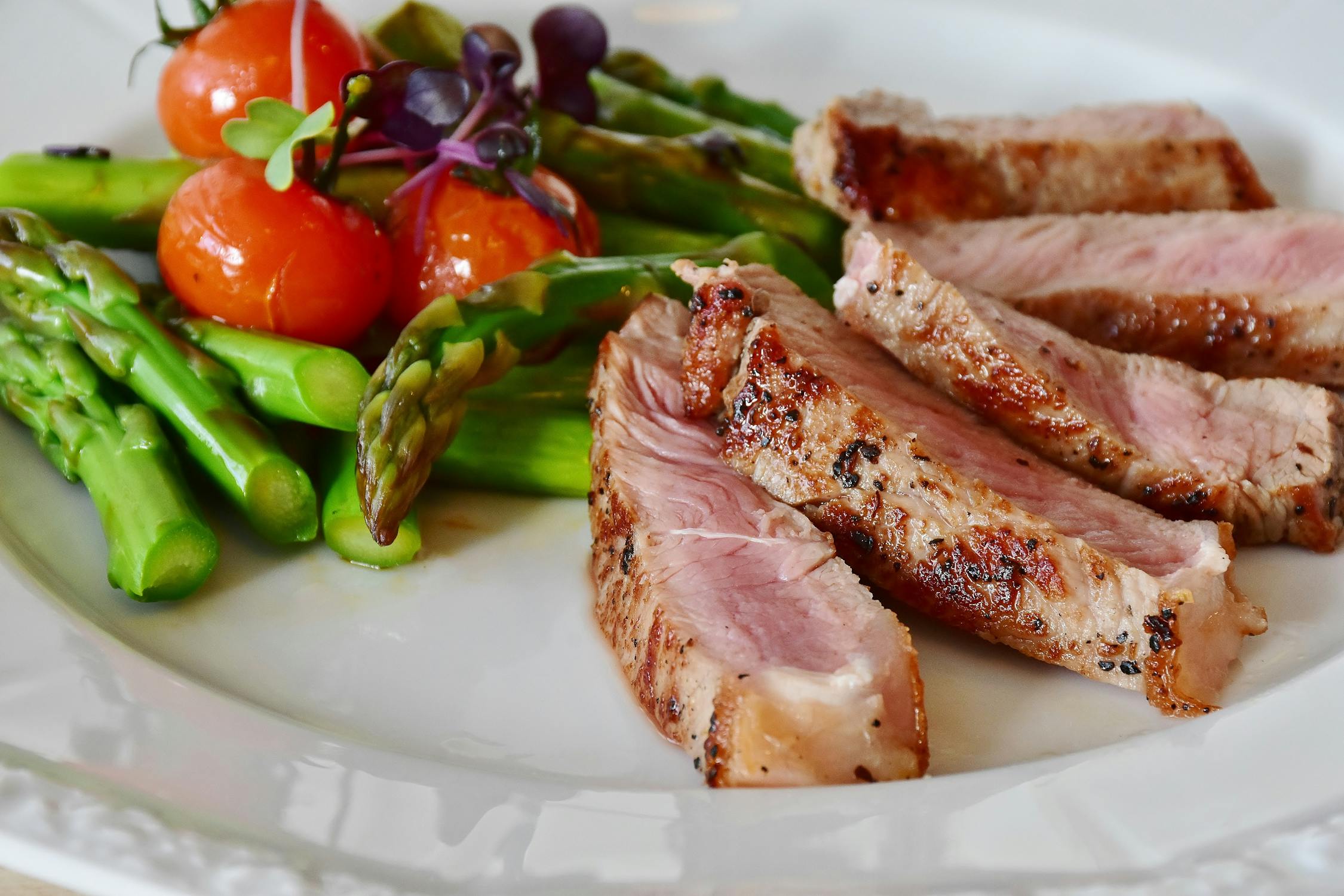
A major international study published in Nature found that the types of fat you eat literally change the fat composition inside your T cells — the immune cells that fight infections and cancer. A diet with a lower ratio of polyunsaturated fats (PUFAs) to monounsaturated fats (MUFAs) made T cells more resistant to oxidation-induced cell death, improved antibody production, and enhanced anti-tumour activity. Translation: the fat on your plate becomes the fat in your immune cells, and that matters.
Most nutrition debates focus on what dietary fat does to your waistline or your cholesterol numbers. But a landmark study from the University of Queensland has revealed something far more fundamental: the fats you eat directly reshape the membranes of your immune cells, and that can determine whether those cells live or die when it counts.
What the Researchers Found
An international team led by Professor Di Yu at UQ’s Frazer Institute studied how dietary fat composition affects T cells — the immune cells responsible for coordinating your body’s defence against infections and cancer.
The key finding: dietary fats don’t just float around in your blood. They get incorporated into the actual membranes of your T cells, changing their physical properties. And those changes have real consequences.
Polyunsaturated fatty acids (PUFAs): Found in high concentrations in seed oils (soybean, corn, sunflower), fatty fish, and nuts. They have multiple double bonds, making them chemically unstable and vulnerable to oxidation.
Monounsaturated fatty acids (MUFAs): Found in olive oil, avocados, and animal fats (especially beef tallow and lard). They have one double bond and are more resistant to oxidation.
T cells are vulnerable to a specific type of cell death called ferroptosis — where oxidised fats accumulate in the cell membrane and essentially tear it apart. The researchers discovered that the PUFA-to-MUFA ratio in the diet determines how susceptible T cells are to this process.
A lower PUFA-to-MUFA ratio — meaning relatively more monounsaturated and fewer polyunsaturated fats — made T cells significantly more resilient.
Why This Matters for Immunity
The implications go beyond basic cell survival. When T cells are protected from ferroptosis:
- Follicular helper T cells (a specialised type that helps produce antibodies) function much better, suggesting stronger vaccine responses
- Cytotoxic T cells (the ones that kill cancer cells and infected cells) multiply more effectively and show enhanced anti-tumour activity
- Overall immune coordination improves because more T cells survive to do their jobs
As Professor Yu put it: “The kinds of fats you eat change the fat composition inside your T cells and those changes can make T cells either weaker or stronger in terms of immune protection.”
What This Means for Your Diet
If you’re already eating a keto or carnivore diet rich in animal fats, butter, and ghee, you’re likely getting a favourable PUFA-to-MUFA ratio without even trying. Here’s why:
Animal fats are naturally MUFA-dominant. Beef tallow is roughly 50% monounsaturated fat (mostly oleic acid — the same fat praised in olive oil), with only about 4% polyunsaturated fat. Butter and ghee follow a similar pattern.
Seed oils are PUFA-heavy. Soybean oil is about 58% PUFA. Corn oil hits 55%. Sunflower oil can exceed 65%. These are the dominant fats in processed and restaurant food.
The practical takeaway:
- Cook with animal fats, butter, ghee, or olive oil — all naturally low in PUFAs relative to MUFAs
- Minimise seed oils (soybean, corn, sunflower, safflower) — these load your cells with oxidation-prone PUFAs
- Don’t fear saturated fat — while not directly tested in this study, saturated fats are highly resistant to oxidation and don’t contribute to ferroptosis
- Fatty fish is still valuable — omega-3 PUFAs from fish have distinct anti-inflammatory benefits, but the overall PUFA load should be balanced
The researchers noted that the ideal PUFA-to-MUFA ratio isn’t yet precisely defined. This study establishes the mechanism — that dietary fat composition directly affects T-cell resilience — but the exact dietary recommendations will require further human trials.
The Bigger Picture
This study adds to a growing body of evidence that fat quality matters far more than fat quantity for metabolic and immune health. It’s not about eating low-fat or high-fat — it’s about which fats dominate your diet.
For decades, public health guidelines pushed people toward polyunsaturated seed oils and away from saturated and monounsaturated animal fats. This Nature-published research suggests that advice may have been undermining immune function at the cellular level.
The researchers are clear about where this leads: “In future, optimising a patient’s diet and targeting lipid metabolism could become an easily accessible way to enhance our immunity. This could represent a powerful approach, used alongside vaccines or cancer immunotherapies, to ensure immune cells are strong enough to fight off disease.”
Your immune cells are built from what you eat. Choose your fats accordingly.
Sources
- How the fats we eat shape our ability to fight disease — University of Queensland (2026-03-05)
- Original research paper — Nature (2026-03)