Gut Bacteria in the Brain? What the Emory Study Actually Shows (Hint: It's Not About Keto)
A new study found gut bacteria can enter the brain via the vagus nerve on a high-fat diet. But the diet they used was a Western diet — not ketogenic. Here's what that means for low-carb dieters.
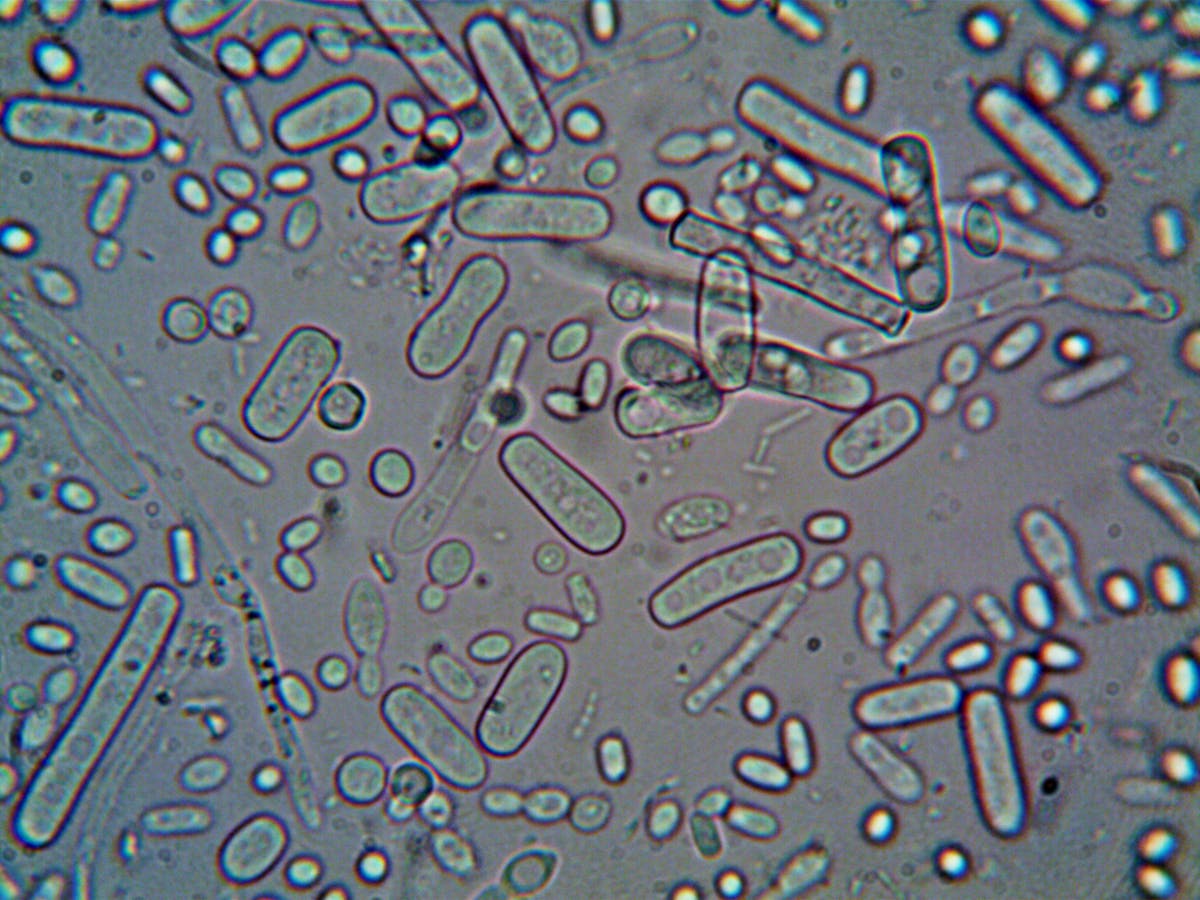
A March 2026 Emory University study found that live gut bacteria can travel to the brain via the vagus nerve when mice ate a high-fat diet. But the diet used was Paigen’s Diet — 45% carbohydrate, 35% fat — essentially a Western diet, not a ketogenic one. The problem isn’t dietary fat itself. It’s the combination of high fat and high carbs that causes gut permeability. Returning to a normal diet reversed the effect.
You’ve probably already seen the headlines: “High-fat diets cause gut bacteria to enter the brain!” Sounds terrifying. And if you eat a low-carb or ketogenic diet, you might be wondering if this applies to you.
Let’s look at what the study actually found — and what it doesn’t mean.
What the Emory Researchers Discovered
A team led by Dr. David Weiss and Dr. Arash Grakoui at Emory University’s School of Medicine published findings in PLOS Biology showing that live bacteria from an imbalanced gut microbiome can enter the brain directly through the vagus nerve — the long nerve connecting the brainstem to major abdominal organs.
Here’s how it worked:
- Germ-free mice were fed a specific high-fat diet for nine days
- The diet caused gut dysbiosis (microbial imbalance) and increased intestinal permeability — “leaky gut”
- Live bacteria traveled from the intestine to the brain via the vagus nerve
- Critically, no bacteria were found in the blood or other organs — this was a direct gut-to-brain route
To confirm the pathway, researchers gave mice antibiotics, then introduced a uniquely “barcoded” bacterium (Enterobacter cloacae). That exact barcoded strain was later found in the vagus nerve and brain — proving bacteria traveled this specific route.
The Diet They Used Wasn’t Keto
Here’s the detail most headlines skip: the diet used was Paigen’s Diet, which contains roughly 45% carbohydrates and 35% fat.
That’s not a ketogenic diet. That’s not even low-carb. That’s a Western diet — the kind of eating pattern already well-established as problematic for gut health, metabolic function, and chronic disease.
A ketogenic diet typically contains less than 10% of calories from carbohydrates. The metabolic state it produces — ketosis — is fundamentally different from what happens when you eat high fat alongside high carbs.
This distinction matters enormously.
Why the Combination of High Fat and High Carbs Is the Problem
The study’s key mechanism was intestinal permeability — leaky gut. The high-fat-plus-high-carb diet disrupted the gut barrier, allowing bacteria to escape.
Research has consistently shown that the standard Western diet promotes gut permeability through several mechanisms:
- High sugar and refined carbs feed pathogenic bacteria and disrupt microbial balance
- Ultra-processed foods damage the intestinal lining
- The combination of high fat with high carbs creates a particularly inflammatory environment
Well-formulated ketogenic and carnivore diets, by contrast, eliminate most of the carbohydrate-driven factors that contribute to gut dysbiosis. Many people on these diets report improvements in digestive health — though more research is needed on long-term gut microbiome effects.
The Good News: It’s Reversible
One of the most important findings from the Emory study: returning mice to a normal diet reduced bacterial load in the brain by decreasing gut permeability.
As Dr. Grakoui noted, the impact of the diet on bacteria reaching the brain was reversible. This suggests that dietary interventions targeting gut health could have real therapeutic potential for neurological conditions.
What This Means for You
If you’re eating a well-formulated low-carb or ketogenic diet, this study doesn’t implicate your way of eating. The diet used was high in both fat and carbohydrates — the metabolic worst of both worlds.
That said, the study raises important points worth considering:
- Gut health matters for brain health. The gut-brain axis isn’t just a buzzword — bacteria can physically reach the brain
- Diet quality matters beyond macros. Even within a keto framework, prioritizing whole foods and gut-supportive nutrients is wise
- Gut barrier integrity is crucial. Supporting your intestinal lining with collagen-rich foods like bone broth, adequate omega-3 fatty acids, and avoiding gut irritants all help maintain a strong barrier
The Bigger Picture
This research actually reinforces a core principle behind metabolic health approaches: the standard Western diet is the problem, not dietary fat in isolation.
When studies use “high-fat diets” in mice, they’re almost always using Western-diet-style compositions — high in both fat and carbohydrates, often with added sugar. Extrapolating those results to ketogenic diets is a category error.
The Emory study is fascinating and important. It opens new doors for understanding how neurological conditions like Parkinson’s and Alzheimer’s may originate in the gut. But its implications point toward avoiding the Western dietary pattern — not toward fearing fat.
Have questions about this study or other keto research? Drop us a line — we love digging into the science.
Sources
- High-fat diets cause gut bacteria to enter brain, Emory study finds — Emory University (2026-03-12)
- Original study in PLOS Biology (March 2026) — PLOS Biology (2026-03)