How to Read Nutrition Labels (Without Getting Fooled)
Nutrition labels can be confusing—and sometimes deliberately misleading. Here's how to read them like a pro and spot common tricks.
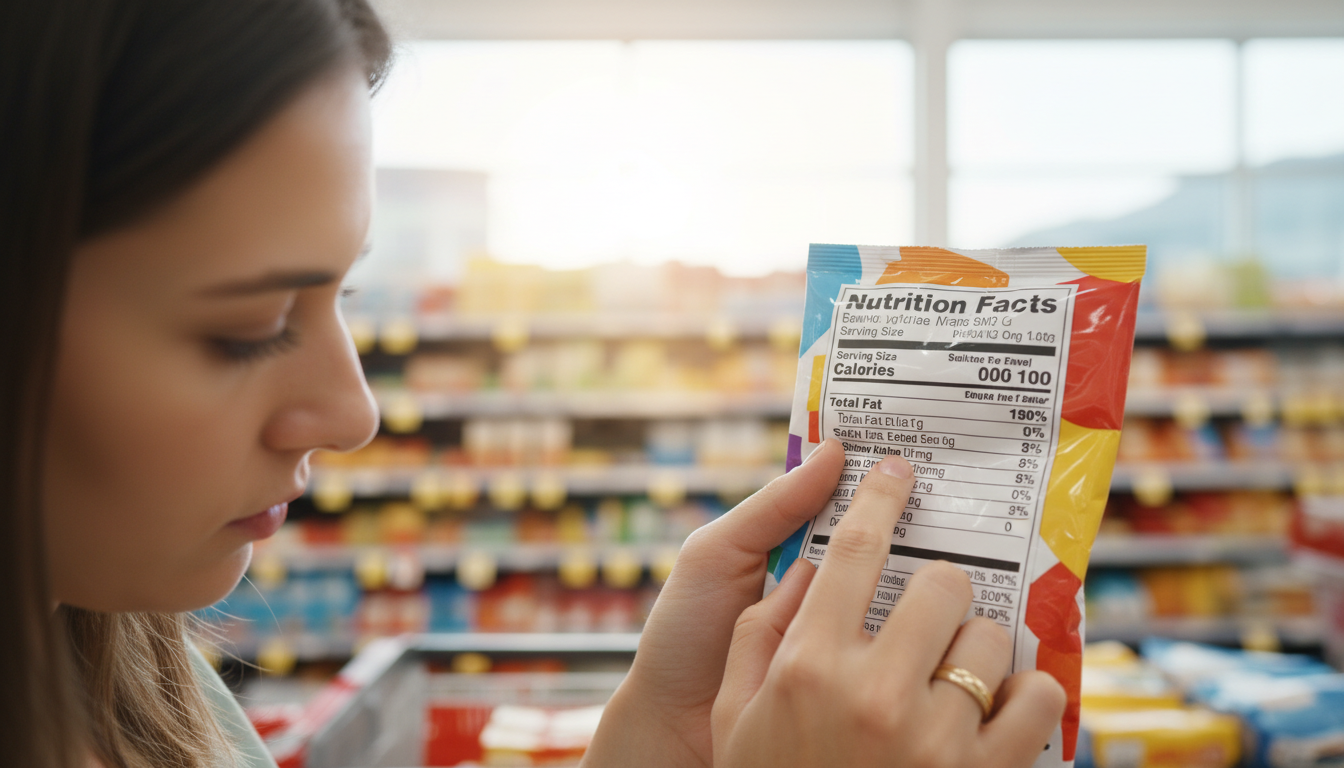
Check serving size first (it’s often unrealistic), focus on total/added sugars and protein, read the actual ingredients list, and be skeptical of marketing claims. Best solution: eat foods that don’t need labels.
You’d think reading a nutrition label would be straightforward. It’s just numbers, right?
Not quite. Food manufacturers have become experts at making products look healthier than they are. Here’s how to see through the tricks and find what actually matters.
Start With the Serving Size
The serving size is often much smaller than what you’d actually eat.
Example: A small bag of chips might list “2.5 servings.” Who eats 2/5 of a small bag? Nobody. You need to multiply everything by how much you’ll actually consume.
Watch for:
- “About X servings per container” (on single-serve packages)
- Unrealistically small portions
- Serving sizes that changed to make numbers look better
The Numbers That Matter Most
For metabolic health, focus on these in order of importance:
1. Total Carbohydrates (and breakdown)
Net carbs = Total Carbs - Fiber
A product with 15g total carbs but 10g fiber has only 5g net carbs. Context matters.
Look at:
- Total Carbohydrates — The whole picture
- Fiber — Subtract for net carbs
- Total Sugars — Includes natural and added
- Added Sugars — The artificially added stuff (most concerning)
2. Protein
Higher is generally better. Keeps you full, supports muscle.
3. Fat (and type)
Total fat isn’t the enemy. Look at:
- Trans fat — Should be zero. Avoid completely
- Saturated fat — Not as scary as once thought
- Unsaturated fats — Generally beneficial
4. Sodium
Watch if you have blood pressure concerns. On low-carb, you may need more sodium.
The Ingredients List
Ingredients are listed by weight, from most to least.
Red flags:
- Sugar (or its aliases) in the first three ingredients
- A long list of things you can’t pronounce
- Multiple types of sugar (split up to push sugar down the list)
Sugar’s Many Names
- Sucrose, glucose, fructose, dextrose, maltose
- High fructose corn syrup
- Cane juice, fruit juice concentrate
- Maltodextrin, dextrin
- Anything ending in “-ose” or “-ol”
A product might claim “no added sugar” but contain fruit juice concentrate—which is… sugar.
Marketing Claims to Question
| Claim | Reality |
|---|---|
| ”Natural” | Meaningless. No legal definition. Sugar is natural. |
| ”Made With Real…” | Might mean 2% fruit juice. Check ingredients. |
| ”Low Fat” | Often means “high sugar” to compensate for taste |
| ”Keto-Friendly” | No regulation. Check actual carbs. |
| ”No Sugar Added” | Might be high in natural sugars or sweeteners |
| ”Whole Grain” | Might be mostly refined flour + a little whole grain |
| ”Heart Healthy” | Based on outdated guidelines. Sugary cereal qualifies. |
The Quick Test
- How many ingredients? Fewer is usually better
- Can I pronounce them all? Real food has recognizable ingredients
- Where is sugar on the list? Earlier = more sugar
- What’s the carb-to-fiber ratio? Higher fiber relative to carbs is better
- Does the serving size match reality? Multiply if needed
Practical Examples
| ”Healthy” Granola Bar | Plain Greek Yogurt | |
|---|---|---|
| Serving | 1 bar (40g) | 3/4 cup (170g) |
| Carbs | 22g | 6g |
| Fiber | 2g | 0g |
| Net Carbs | 20g | 6g |
| Sugars | 12g (8g added) | 5g (0g added) |
| Protein | 3g | 15g |
| Verdict | ❌ Candy with marketing | ✅ Good choice |
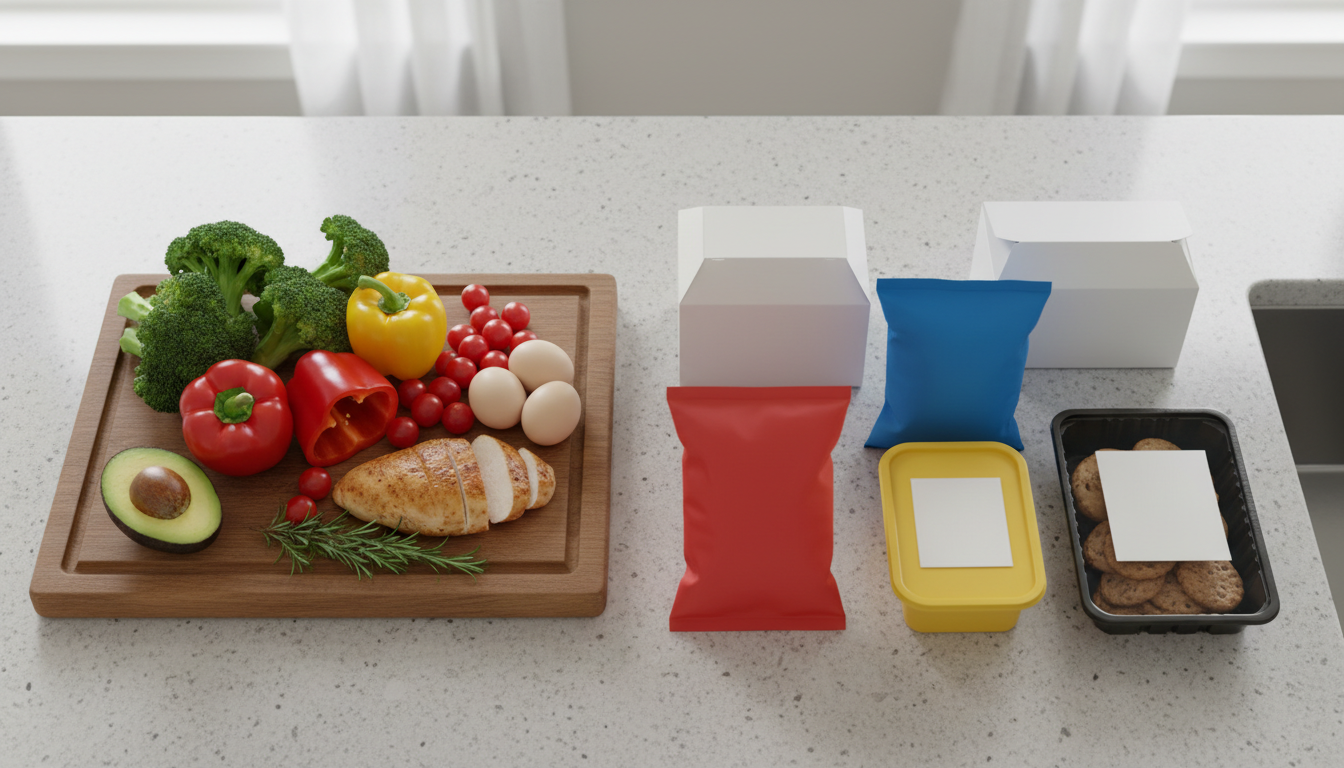
Better Yet: Skip the Label
"The healthiest foods don't have nutrition labels at all."
- Fresh meat and fish
- Eggs
- Vegetables
- Butter (one ingredient: cream)
When most of your diet comes from these foods, you don’t need to be a label detective.
The Bottom Line
Nutrition labels are tools, but they’re also marketing. For metabolic health:
- 🔍 Watch total and added sugars
- 📏 Check actual serving sizes
- 📋 Read the ingredients list
- 🤔 Be skeptical of health claims
- 🥬 When possible, eat foods that don’t need labels
The best defense is a diet built mostly on whole foods. Then the occasional packaged item doesn’t matter much either way.
Reading labels gets easier with practice. Start with products you buy regularly.