The Seed Oil Debate: What Does Science Actually Say?
Seed oils are controversial in health circles. Some say they're inflammatory poison, others say they're fine. Here's what the research shows.
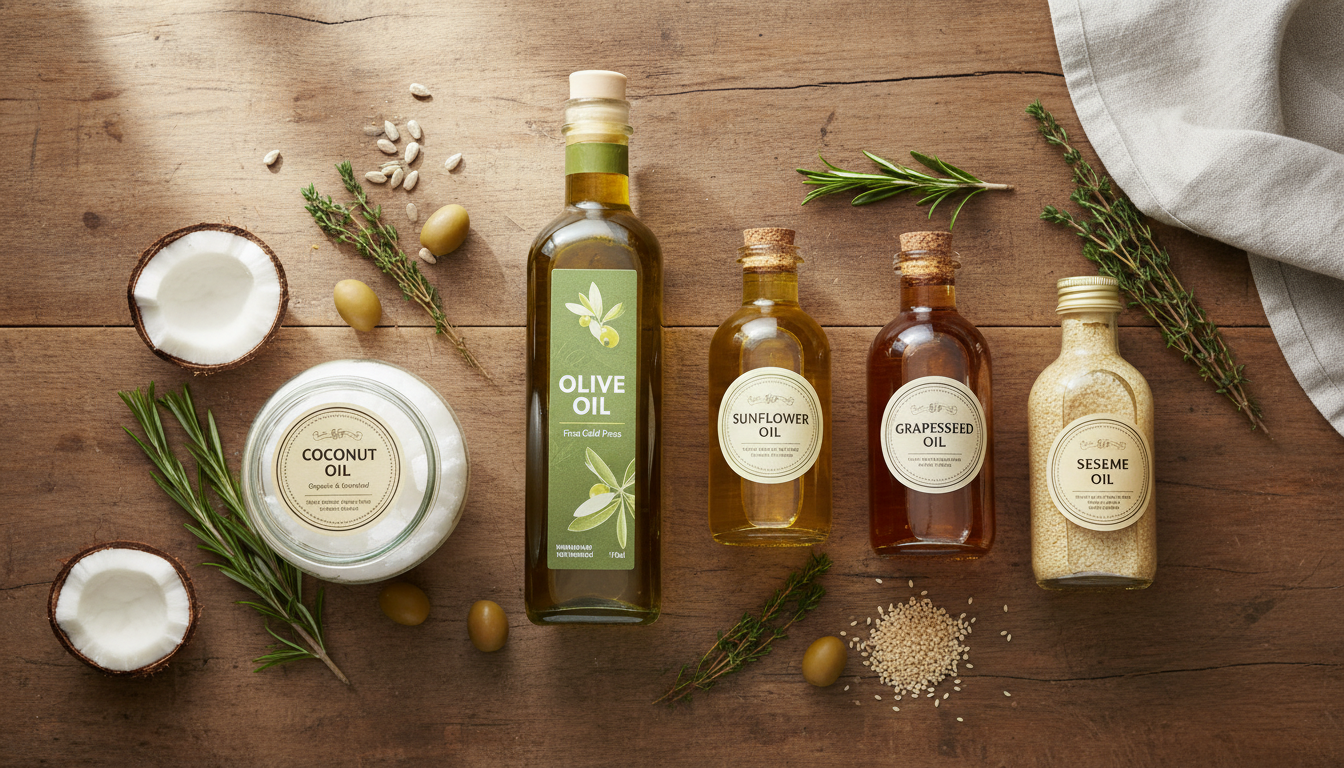
Seed oils probably aren’t poison, but they’re not health food either. The truth: quality and quantity matter more than the oils themselves. Cook with stable fats, minimize ultra-processed foods, and don’t stress about occasional exposure.
Few nutrition topics generate as much heated debate as seed oils. On one side, you’ll hear they’re “toxic” and responsible for modern disease epidemics. On the other, mainstream nutrition says they’re heart-healthy and perfectly fine.
Who’s right? As usual, the truth is more nuanced.
What Are Seed Oils?
Seed oils are vegetable oils extracted from seeds through industrial processing. They’re high in omega-6 polyunsaturated fatty acids, particularly linoleic acid. Common examples: soybean, canola, corn, sunflower, safflower, and cottonseed oil.
These oils are everywhere — in packaged foods, restaurant kitchens, and most home pantries. Americans consume about 7 tablespoons of vegetable oils daily, mostly from processed foods.
The Case Against Seed Oils
Critics of seed oils point to several concerns:
Omega-6 to Omega-3 Ratio — Modern diets contain far more omega-6 than our ancestors ate. Some researchers argue this imbalance promotes inflammation.
Oxidation — Polyunsaturated fats are chemically unstable and can oxidize when heated or stored. A paper in Open Heart journal argues that oxidized linoleic acid specifically may contribute to atherosclerosis and heart disease.
Processing — Industrial seed oils undergo extensive processing involving high heat, chemical solvents, and deodorization—very different from traditional fats like olive oil or butter.
Historical Correlation — The rise in seed oil consumption roughly parallels the rise in obesity, diabetes, and heart disease.
Correlation isn’t causation. Many things changed in the modern diet simultaneously — sugar consumption, processed food intake, and physical activity levels. Blaming seed oils alone oversimplifies a complex picture.
The Case For Seed Oils
Mainstream nutrition research tells a different story:
"Participants with the highest levels of linoleic acid had a 35% lower risk of developing type 2 diabetes. Seed oils do not cause inflammation."
— Johns Hopkins Bloomberg School of Public Health, 2025Low Conversion Rate — While linoleic acid can be converted to inflammatory arachidonic acid, research indicates only a small percentage actually undergoes this conversion.
Large Population Studies — Multiple large studies have found neutral or beneficial associations between vegetable oil consumption and cardiovascular outcomes.
What’s Really Going On?
Both sides may be partially right, depending on context:
- Quality — Fresh, minimally processed oils behave differently than repeatedly heated industrial oils
- Dose — Moderate intake differs from the massive quantities in ultra-processed foods
- Individual variation — Some people may be more sensitive to omega-6 fatty acids
- Food matrix — Seed oils in whole foods (nuts, seeds) come with protective compounds
Practical Takeaways
Rather than obsessing over seed oils specifically, consider these principles:
🍳 Cook with stable fats — For high-heat cooking, saturated fats (butter, ghee, tallow, coconut oil) and monounsaturated fats (olive oil, avocado oil) are more stable.
🚫 Minimize ultra-processed foods — Most seed oil consumption comes from packaged and fast foods. Reducing these addresses many health concerns at once.
🥑 Eat whole food sources of fat — Fatty fish, nuts, avocados, and olive oil provide fats in their natural context.
😌 Don’t panic — Occasional exposure to seed oils isn’t going to destroy your health. Focus on the big picture.
The Bottom Line
The seed oil debate reveals something important: nutrition science is complicated, and strong claims in either direction often oversimplify.
Seed oils probably aren’t the single cause of modern disease, but they’re also not a health food. A reasonable approach is to limit them without obsessing—prioritize whole foods and traditional fats, minimize ultra-processed foods, and don’t stress about the occasional restaurant meal cooked in canola oil.
This article presents multiple scientific perspectives. Nutrition research is evolving, and individual needs vary.
Sources
- The Evidence Behind Seed Oils' Health Effects — Johns Hopkins Bloomberg School of Public Health (2025-06-06)
- Omega-6 vegetable oils as a driver of coronary heart disease: the oxidized linoleic acid hypothesis — NIH/PMC - Open Heart Journal
- New Study Shows Omega-6 does Not Increase Inflammation — OmegaQuant (2025-07-16)