Getting Started with Keto: A Complete Beginner's Guide
Everything you need to know to start the ketogenic diet. From understanding ketosis to your first week meal plan.
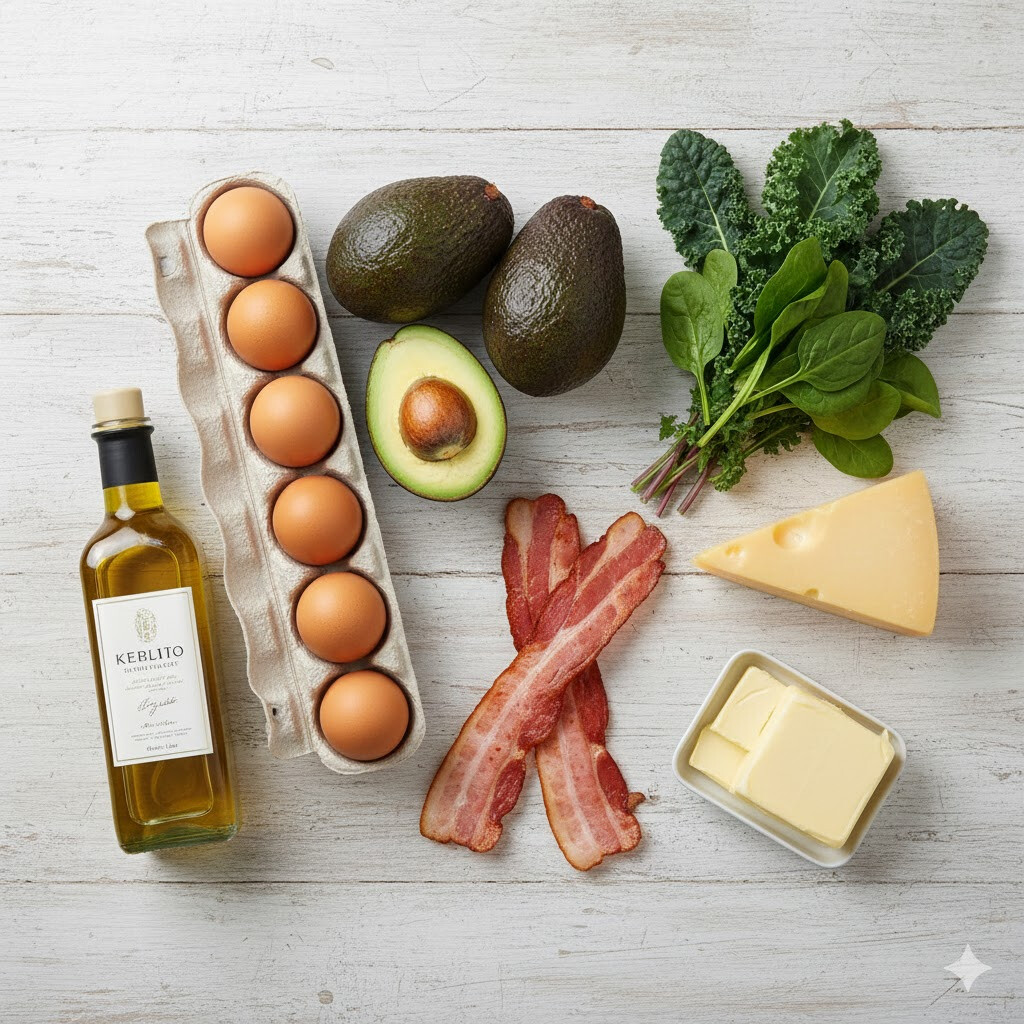
So you’ve decided to try keto. Welcome! This guide will take you from complete beginner to confidently shopping, cooking, and eating keto in about a week.
What is Keto, Really?
The ketogenic diet is simple in concept: eat very few carbs, moderate protein, and high fat. When you do this, your body switches from burning glucose (sugar) to burning fat for fuel. This metabolic state is called ketosis.
Your body becomes incredibly efficient at burning fat — including your stored body fat. That’s why keto is so effective for weight loss.
The Macros
A standard ketogenic diet looks roughly like this:
- Fat: 70-75% of calories
- Protein: 20-25% of calories
- Carbs: 5-10% of calories (typically 20-50g net carbs per day)
Don’t worry about hitting these perfectly at first. Focus on keeping carbs low, and the rest tends to fall into place.
What to Eat
Eat Freely
- Meat: Beef, pork, lamb, chicken, bacon
- Fish & Seafood: Salmon, tuna, shrimp, mackerel
- Eggs: Cooked any way you like
- High-Fat Dairy: Butter, heavy cream, hard cheeses
- Healthy Fats: Olive oil, avocado oil, coconut oil
- Low-Carb Vegetables: Leafy greens, broccoli, cauliflower, zucchini, asparagus
- Avocados: Technically a fruit, but keto-friendly
Avoid
- Sugars: All of them — table sugar, honey, maple syrup, agave
- Grains: Bread, pasta, rice, oats, cereals
- Starchy Vegetables: Potatoes, corn, peas
- Most Fruits: Bananas, apples, oranges (berries in small amounts are okay)
- Beans & Legumes: Chickpeas, lentils, kidney beans
- Low-Fat Products: Usually loaded with sugar
Your First Week
Days 1-3: The Transition
Your body is switching fuel sources. You might feel tired, foggy, or irritable. This is normal — it’s sometimes called “keto flu.”
Tips to minimize it:
- Drink lots of water (add a pinch of salt)
- Get enough electrolytes (sodium, potassium, magnesium)
- Don’t restrict calories — eat until satisfied
- Rest if you need to
Days 4-7: Adaptation Begins
Most people start feeling better. Energy stabilizes, cravings decrease, and you might notice reduced appetite. This is ketosis kicking in.
Simple Meal Ideas
Breakfast
- Eggs and bacon
- Scrambled eggs with cheese and avocado
- Bulletproof coffee (coffee + butter + MCT oil)
Lunch
- Salad with grilled chicken, olive oil dressing, and cheese
- Lettuce-wrapped burger
- Leftover dinner
Dinner
- Steak with butter and roasted broccoli
- Salmon with asparagus
- Chicken thighs with creamy spinach
Snacks (if needed)
- Cheese crisps
- Hard-boiled eggs
- Handful of nuts (macadamias, pecans)
- Pork rinds
Common Mistakes
- Not eating enough fat. Fat is your fuel now. Don’t fear it.
- Hidden carbs. Sauces, dressings, and “healthy” foods often contain sugar.
- Not drinking enough water. Keto is diuretic. Stay hydrated.
- Giving up too soon. The first week is the hardest. Push through.
How to Know You’re in Ketosis
Signs you’ve made it:
- Reduced hunger and cravings
- Increased energy and mental clarity
- Weight loss (water weight at first, then fat)
- Slight metallic taste or “keto breath”
You can also use ketone test strips or a blood ketone meter, but they’re not necessary.
Ready to Start?
- Clear your kitchen of high-carb foods
- Stock up on keto essentials
- Plan your first few meals
- Don’t overthink it — just start
The best diet is the one you stick with. Keto works because it reduces hunger and makes eating at a deficit feel easy. Give it an honest two weeks, and you’ll likely never want to go back.
Next Steps
- Browse our keto recipes for meal ideas
- Read about keto vs. carnivore to see which fits you better
- Check out our guide on Meal Prepping for Keto to make the week easier