Understanding Macros: When to Track and When to Trust Your Body
Learn how to calculate your macros, when tracking helps, and when it's okay to put the app down.
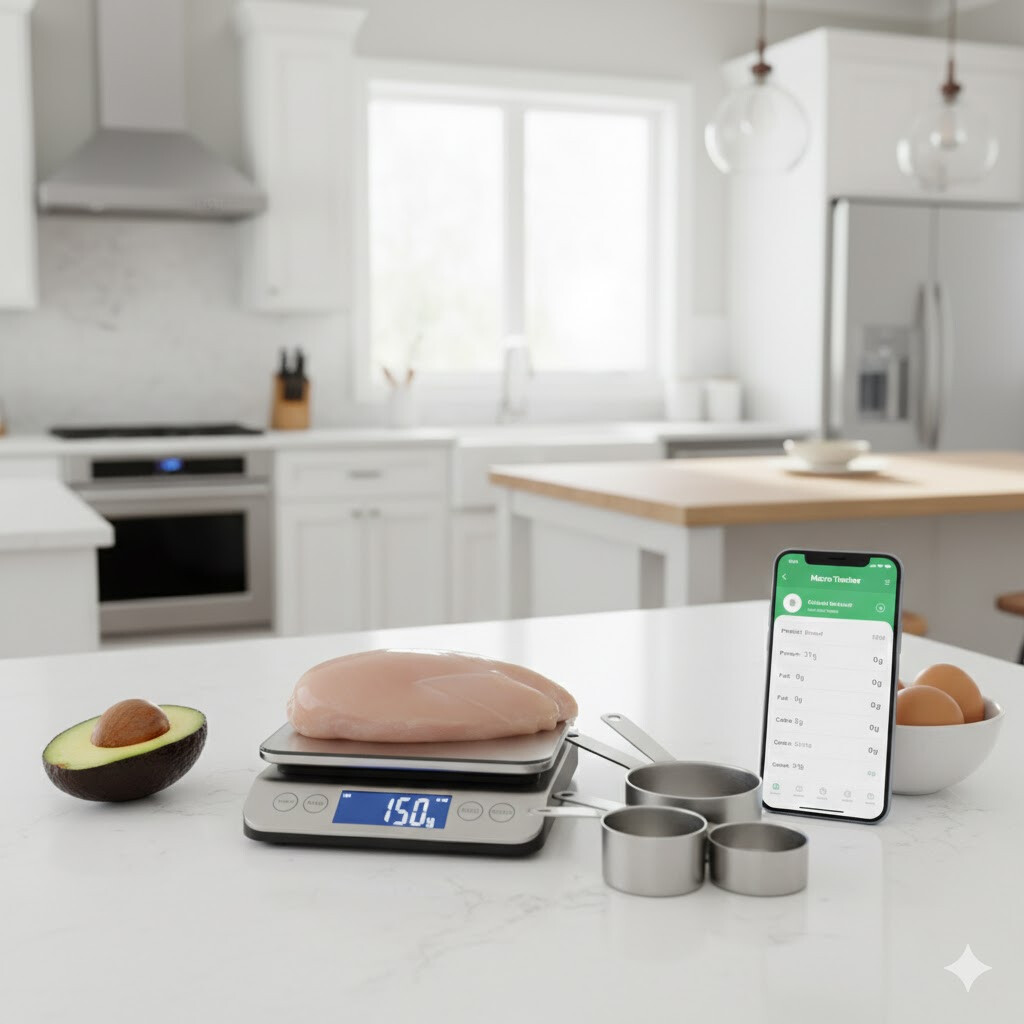
Macros. You’ve heard the term thrown around in every keto group and fitness forum. But do you actually need to track them? Let’s break it down.
What Are Macros?
Macronutrients are the three main components of food that provide calories:
- Protein: 4 calories per gram — builds and repairs tissue
- Fat: 9 calories per gram — energy, hormones, cell function
- Carbohydrates: 4 calories per gram — quick energy (and what we limit on keto)
Your “macros” are the grams of each you eat daily.
The Standard Keto Ratio
A typical ketogenic diet looks like:
- 70-75% fat
- 20-25% protein
- 5-10% carbs
In practice, this means roughly:
- 20-50g net carbs (hard limit)
- Moderate protein (0.8-1g per pound of lean body mass)
- Fat to satiety (fills remaining calories)
How to Calculate Your Macros
Step 1: Find Your TDEE
Total Daily Energy Expenditure — how many calories you burn daily.
Use an online calculator or this rough formula:
- Sedentary: Body weight (lbs) × 14
- Moderately active: Body weight × 16
- Very active: Body weight × 18
Step 2: Set Your Deficit (or Surplus)
- Fat loss: TDEE minus 20-25%
- Maintenance: TDEE
- Muscle gain: TDEE plus 10-15%
Step 3: Calculate Protein
- 0.8-1g per pound of lean body mass (or goal weight if significantly overweight)
- Example: 150 lb goal weight = 120-150g protein
Step 4: Set Carbs
- 20-25g net carbs for guaranteed ketosis
- Up to 50g if you’re active and adapted
Step 5: Fill With Fat
- Remaining calories come from fat
- Fat = (Total calories - protein calories - carb calories) ÷ 9
Example Calculation
Person: 180 lbs, moderately active, wants to lose fat
- TDEE: 180 × 16 = 2,880 calories
- Target: 2,880 - 25% = 2,160 calories
- Protein: 150g (600 calories)
- Carbs: 25g (100 calories)
- Fat: (2,160 - 600 - 100) ÷ 9 = 162g fat
Daily targets: 150g protein, 162g fat, 25g carbs
When Tracking Helps
Track if you:
- Are just starting keto (learning phase)
- Have specific body composition goals
- Have stalled and don’t know why
- Tend to undereat protein
- Want data to troubleshoot
Tracking tools:
- Cronometer (most accurate for keto)
- Carb Manager (keto-specific)
- MyFitnessPal (largest food database)
When to Stop Tracking
Ditch the app if:
- You’ve learned portion sizes and can estimate
- Tracking causes stress or obsession
- You’re maintaining and feel good
- You’ve found meals that work and repeat them
- Your results are consistent without it
The 80/20 approach:
Track loosely — keep carbs low, hit protein target, let fat adjust naturally.
The Priority Order
Not all macros are equal. Here’s what matters most:
- Carbs — Stay under your limit. Non-negotiable for ketosis.
- Protein — Hit your target. Protects muscle, keeps you full.
- Fat — Adjust to goals. Eat more to maintain, less to lose.
- Calories — Generally self-regulate on keto, but matter for results.
Common Macro Mistakes
1. Too much protein fear
Protein doesn’t kick you out of ketosis. Excess protein converts to glucose only as needed. Prioritize it.
2. Fat bombing everything
Fat is a lever, not a goal. If you’re trying to lose weight, your body fat provides energy. Don’t add fat just to hit a number.
3. Ignoring net carbs
Net carbs = Total carbs - Fiber - Sugar alcohols (partially)
A food with 15g total carbs but 10g fiber only has 5g net carbs.
4. Weekend amnesia
Tracking Monday-Friday then ignoring weekends will stall progress. Consistency matters.
Practical Tips
Hit protein easily:
- Eggs for breakfast (6g each)
- Meat-based lunch and dinner (25-40g each)
- Greek yogurt or protein shake if needed
Keep carbs low naturally:
- Avoid all grains and sugars
- Limit even low-carb vegetables if needed
- Watch “keto” products — many have hidden carbs
Adjust fat intuitively:
- Cook with butter and olive oil
- Choose fattier meat cuts
- Add cheese, avocado, or mayo
- Reduce these if weight stalls
Beyond Macros
Remember: macros are a tool, not a religion.
Many successful keto and carnivore dieters don’t track at all. They:
- Keep carbs obviously low
- Eat protein at every meal
- Stop when satisfied
- Trust their body’s signals
If that sounds liberating, work toward it. Track to learn, then let go.
Your Action Plan
If starting out:
- Calculate your macros
- Track for 2-4 weeks
- Learn what meals hit your targets
- Build a rotation of go-to meals
If experienced:
- Track for a week to audit
- Identify any gaps
- Adjust, then go back to intuitive eating
Macros are training wheels. Use them to learn, then ride free.