The New Food Pyramid Is Here — And It Changes Everything
The 2025 dietary guidelines flip decades of nutrition advice on its head. Meat and dairy at the top, processed foods out. Here's what it means for you.
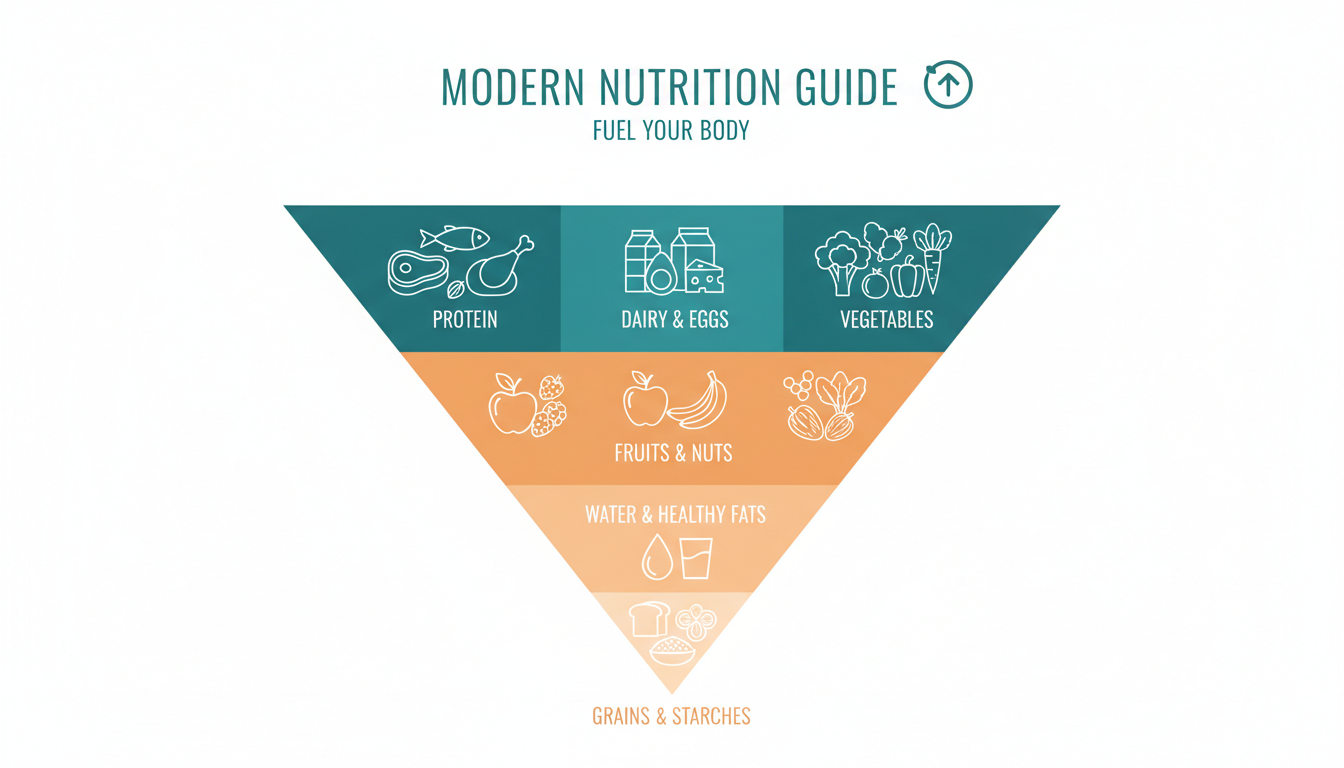
The 2025 US dietary guidelines flip the pyramid: meat, eggs, and dairy at the top, grains at the bottom. Ultra-processed foods explicitly called out. Tagline: “Eat Real Food.” Experts are divided—some call it a breakthrough, others a mistake.
For the first time in decades, the U.S. government has fundamentally changed its dietary advice. The new 2025-2030 Dietary Guidelines for Americans don’t just tweak around the edges — they flip the old food pyramid upside down.
Literally.
A Brief History of the Food Pyramid
To understand why this matters, you need to know where we’ve been.
Grains formed the wide base (6-11 servings daily), with fats and sweets at the tiny top. But the pyramid was controversial from day one—after industry lobbying, the grain recommendation was inflated from 3-4 servings to 6-11, according to nutritionist Luise Light who helped develop it.
A confusing graphic with colored vertical stripes. You needed a website to understand it. The word “sugar” didn’t appear anywhere. Critics called it deliberately vague.
Simple plate divided into sections: fruits, vegetables, grains, protein, + dairy. Clearer, but criticized for treating all grains equally and not distinguishing chicken breast from hot dogs.
Back to a pyramid—but flipped. What was at the bottom (grains) is now at the top. What was vilified (saturated fat) is now prominently displayed. 33 years of advice, reversed.
What Changed
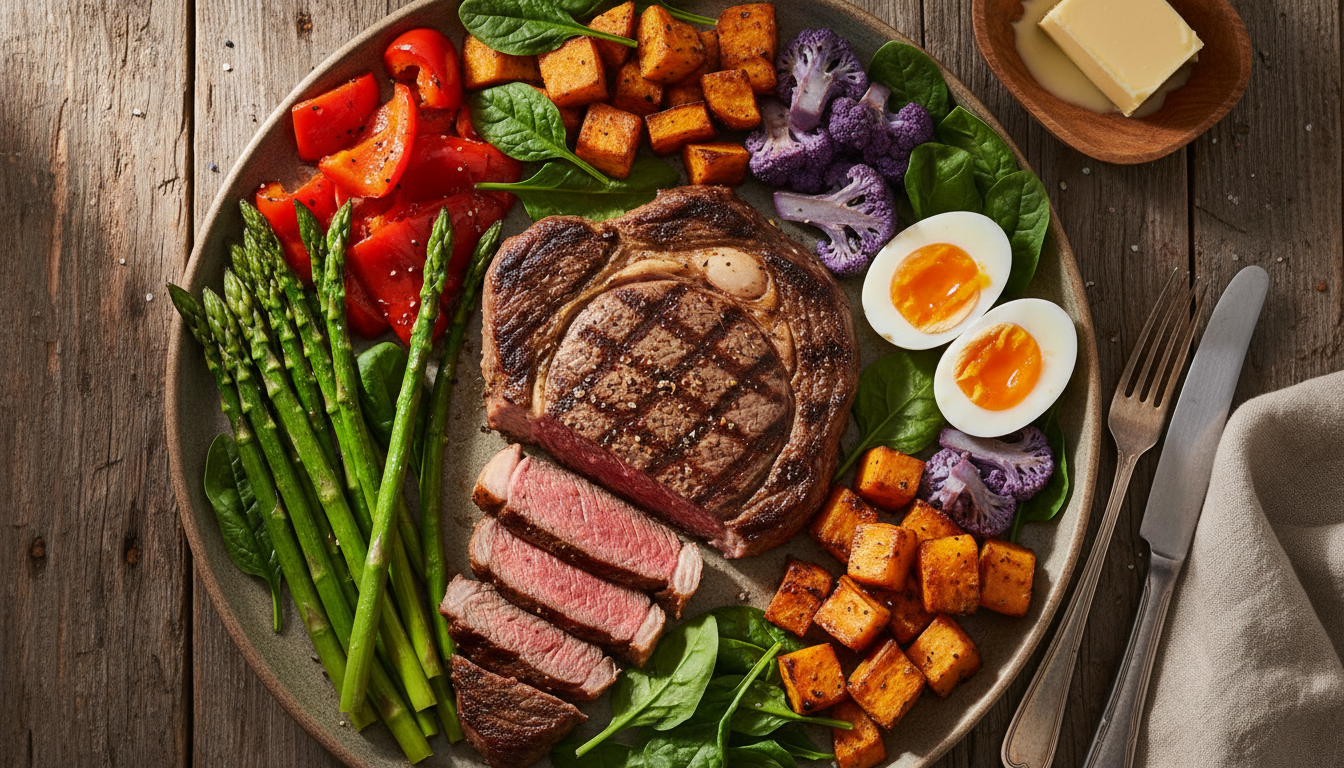
- 🥩 Protein and healthy fats emphasized — Animal proteins and full-fat dairy no longer discouraged
- 🧈 “War on saturated fats” ended — Butter, whole milk, and red meat pictured prominently
- 🚫 Ultra-processed foods called out — First time guidelines explicitly warn against them
- 🍬 Stricter sugar limits — No added sugars for children under age 10
- 💪 Higher protein targets — 1.2-1.6g per kg body weight (50-100% higher than before)
The tagline: “Eat Real Food.”
The Science Debate
The new guidelines have sparked fierce debate among nutrition experts.
Supporters Point To:
"Highly processed foods are clearly harmful for a range of diseases, so to have the U.S. government recommend that a wide class of foods be eaten less because of their processing is a big deal and I think a very positive move for public health."
— Dr. Dariush Mozaffarian, Tufts UniversityOn dairy specifically, Mozaffarian notes: “Both low-fat and whole-fat dairy versions have been linked to lower cardiovascular risk. The fat content doesn’t seem to make a big difference.”
Critics Raise Concerns:
"The mixed messages surrounding saturated-fat-rich foods such as red meat, butter, and beef tallow may lead to confusion and potentially higher intake of saturated fat and increased LDL cholesterol and cardiovascular risk."
— Dr. Frank Hu, Harvard School of Public Health"I'm very disappointed in the new pyramid that features red meat and saturated fat sources at the very top, as if that's something to prioritize. It does go against decades and decades of evidence and research."
— Dr. Christopher Gardner, Stanford UniversityBoth the American Heart Association and the Academy of Nutrition and Dietetics have raised concerns, pointing to evidence linking excess saturated fat to heart disease.
The Contradictions
Harvard notes a key tension: the guidelines still recommend limiting saturated fat to 10% of daily calories, yet the pyramid visually promotes foods high in saturated fat.
In a 2,000-calorie diet, the 10% limit equals about 22 grams of saturated fat. The recommended 3 daily servings of full-fat dairy alone could consume 17 grams—before adding meat, cooking fats, or other foods.
What Stayed the Same
Despite the dramatic visual changes:
- ✅ Vegetables and fruits still heavily emphasized
- ✅ Whole grains recommended (2-4 servings daily)
- ✅ 10% saturated fat limit remains
- ✅ Added sugars should be limited
What This Means for You
Much of the new guidance aligns with what you’re already doing:
- Prioritizing protein and healthy fats
- Avoiding processed foods
- Limiting added sugars
- Eating whole, real foods
The official guidelines are catching up to you.
But the debate around saturated fat isn’t settled. The guidelines themselves retain limits that seem at odds with the pyramid’s visual emphasis on butter and red meat.
Our Take
At Stay Steady, we’ve always advocated for whole foods over processed ones. We’re glad to see official guidelines finally call out ultra-processed foods explicitly.
The emphasis on protein aligns with what research shows about adequate intake for muscle preservation and metabolic health.
Some people thrive on high-fat diets; others see concerning changes in cholesterol markers. If you’re eating a high-fat diet, consider getting your lipids tested and working with a healthcare provider who understands low-carb nutrition.
The best diet is still the one you’ll stick to — one built on real, whole foods that keeps your energy stable and your body functioning well.
View the official guidelines and pyramid at realfood.gov.
The Bottom Line
The new food pyramid represents a significant shift in official U.S. nutrition policy. Whether it’s a breakthrough or a mistake depends on who you ask.
"The decades-long emphasis on low-fat eating is officially over. Protein, healthy fats, and real food are in. Ultra-processed foods are out."
For those of us who’ve been eating this way for years, it feels like vindication — even if the scientific community remains divided.
This article presents multiple expert perspectives on a developing story. Nutrition science continues to evolve, and individual needs vary.
Sources
- Dietary Guidelines for Americans 2025-2030 — U.S. Department of Health and Human Services (2026-01-07)
- Dietary Guidelines for Americans 2025-2030: Progress on added sugar, protein hype, saturated fat contradictions — Harvard T.H. Chan School of Public Health (2026-01-09)
- RFK Jr.'s new dietary guidelines end 'the war on saturated fats' — NPR (2026-01-07)
- Why experts are divided over the new federal dietary guidelines — PBS NewsHour (2026-01)
- The new US food pyramid is scientifically questionable — The Conversation (2026-01-30)
- Food pyramid (nutrition) — Wikipedia
- A Fatally Flawed Food Guide — Luise Light, Ed.D. (2004)